Are 4D Plates Actually Worth the Extra Money?
Plate Guides · 28 July 2026 · 6 min read
4D plates cost more than standard. Whether that's money well spent depends on your car, how you use it, and what you actually want out of it. Here's an honest take.
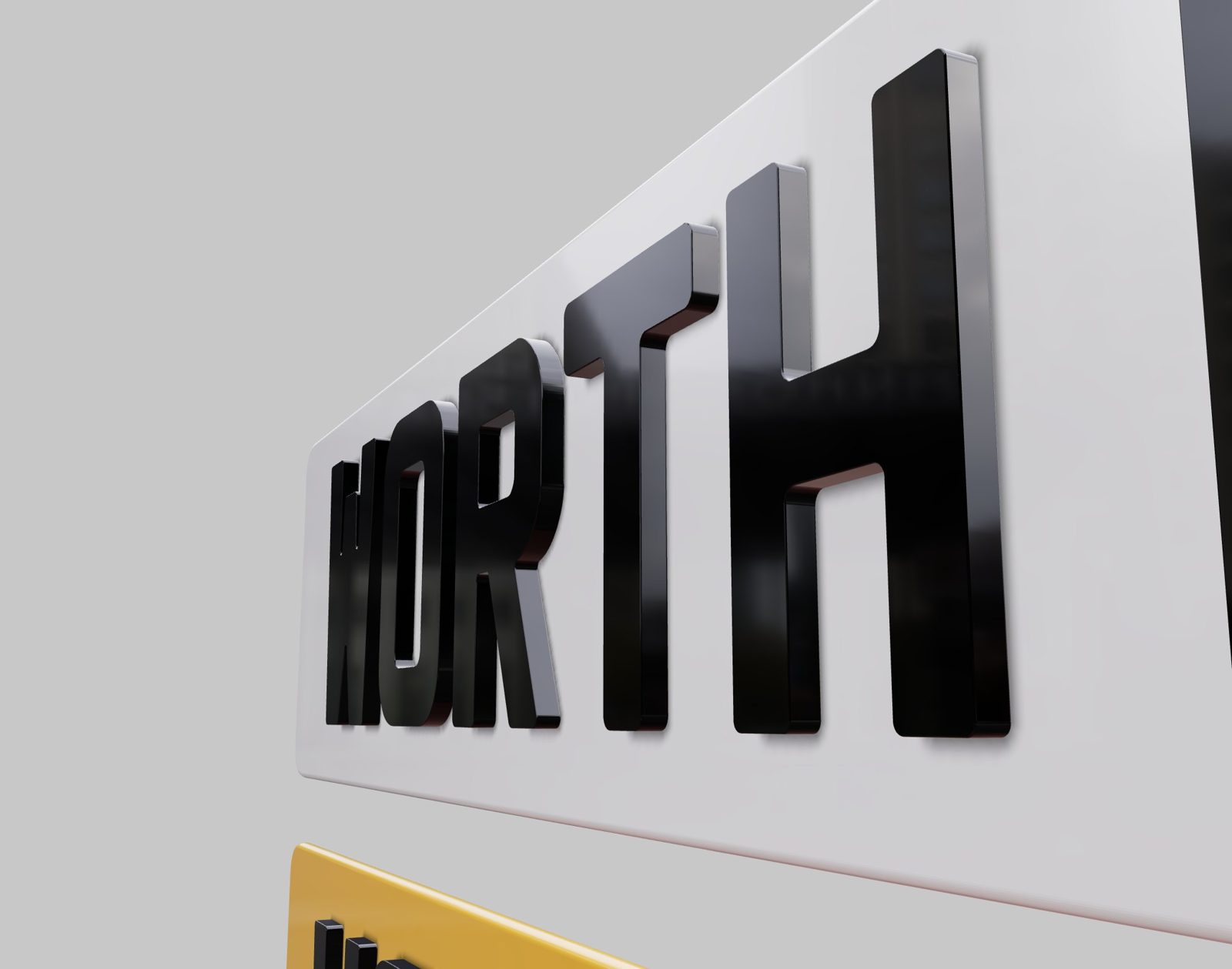
Let's Talk About Whether It's Worth It
We sell 4D plates. Obviously we'd like you to buy them. But we also sell standard plates, and there are plenty of people who'd be better off with those — so here's a genuinely balanced answer rather than a sales pitch.
What You're Actually Paying For
A standard plate is printed. That's one process. A 4D plate is printed, then acrylic is laser cut, then each character is bonded on by hand, one at a time.
On a seven-character plate that's seven cuts, seven peels and seven individual placements — per plate. Fourteen for a pair. That labour is the entire price difference. You're not paying for a badge or a brand, you're paying for the extra half hour somebody spends assembling it.
| Standard | 4D acrylic | 4D gel | |
|---|---|---|---|
| Look | Flat, printed | Sharp raised edges | Raised + glossy dome |
| Made by | Machine | Hand-assembled | Hand-assembled |
| Road legal | Yes | Yes | Yes |
| Typical lifespan | 3–5 years | 5+ years | 5+ years |
The Case For 4D
It genuinely changes how the car looks. This is the honest reason most people buy them. A flat printed plate reads as a legal necessity. A crisp 4D plate reads as a finished detail. On a dark car especially, the shadow line under each character is the whole effect — it's the same reason people swap badges and grilles.
It's the cheapest visual upgrade there is. Wheels are hundreds. Wrap is more. Plates are the one modification where a modest spend is immediately visible from the front of the car.
The acrylic is tough. Solid coloured acrylic doesn't fade the way a printed surface eventually does under UV. Plates that have been on a car for years still look black rather than that washed-out grey you see on old printed plates.
It's fully road legal. Assuming it's made properly — BS AU 145e, Charles Wright font, correct spacing, solid black, supplier mark. Both 3mm and 5mm raised characters are compliant. There's no legal downside. Full detail in are 4D plates legal.
The Case Against (Yes, There Is One)
If the car is a workhorse, save your money. Van doing 40,000 motorway miles a year, salt, grit, jet washes at the depot? A standard plate does the same legal job for less, and you won't wince when it gets scuffed.
If you're selling the car in a month, don't bother. No buyer has ever paid more for a car because of the plates. Wait and put them on the next one.
If your mounting points are awkward. Cars that require screws straight through where characters sit are a bad fit for raised plates — you can't drill through a 4D character. Pads solve it on most cars, but it's worth checking first.
If you want tinted or coloured. Then you're not buying a road legal plate at all, you're buying a show plate. Different thing, different rules.
4D vs 3D Gel — Which Way To Go
This comes down to taste more than anything technical.
- 4D acrylic — sharper, flatter-topped, more modern. Suits newer cars, angular styling, matte and satin finishes.
- 3D gel — domed, glossy, softer edges. Suits classics, luxury cars, anything with lots of chrome.
- 4D gel — laser-cut acrylic with a gel top. The boldest of the three. Most expensive because it's two processes stacked.
We've got a proper side-by-side in 3D gel vs 4D if you're torn.
Do They Affect ANPR or Speed Cameras?
No, and this myth refuses to die. ANPR reads the contrast between reflective background and black characters. That contrast is identical on a legal 4D plate and a legal standard plate. Raised characters change nothing — full explanation here.
So — Worth It?
Worth it if: you care how the car looks, you're keeping it a while, and you'd like one upgrade that's visible every time you walk up to it.
Not worth it if: the car is purely functional, it's about to be sold, or the plates will spend their life behind a jet wash.
That's the honest version. If you're in the first camp, design a set in the builder — you'll see exactly how your registration looks in each style before you spend anything.