Why Are UK Number Plates White and Yellow? Colours Explained
Plate Guides · 12 March 2026 · 5 min read
Ever wondered why the front plate is white and the rear is yellow? Here's the history, the legal reasons, and what other plate colours mean in the UK.
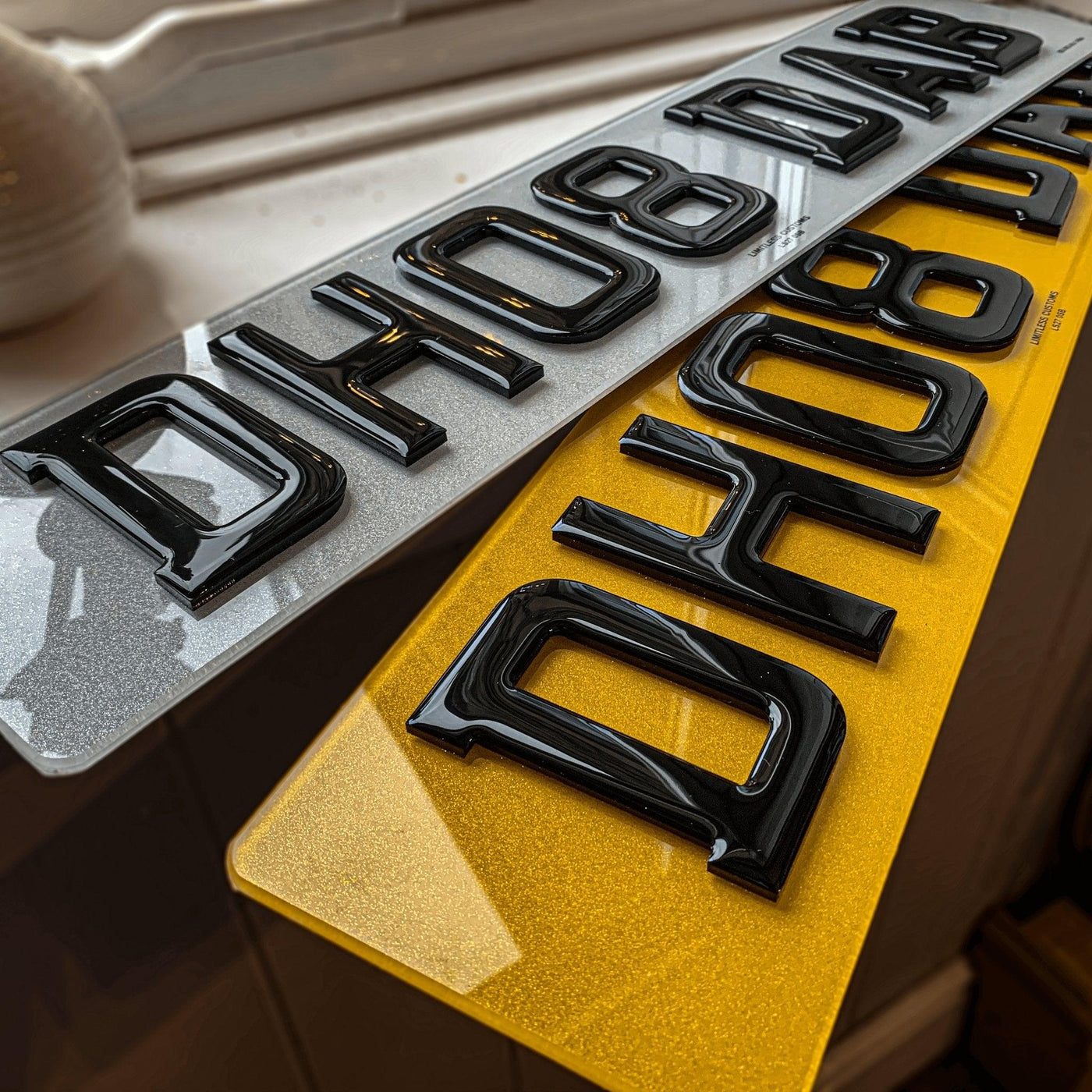
Why Are UK Number Plates White and Yellow?
In the UK, the front number plate is white and the rear plate is yellow. This has been the law since 1st January 1973, and the reason is simple: to help other drivers instantly tell which direction a vehicle is facing, especially at night or in poor visibility.
The Legal Requirement
Under the Road Vehicles (Display of Registration Marks) Regulations 2001:
- Front plate: White retroreflective background with black characters
- Rear plate: Yellow retroreflective background with black characters
Both plates must use approved retroreflective material that meets BS AU 145e. The reflective properties help headlights illuminate the plates at night — white reflects white headlights, yellow provides contrast from the rear.
Why White at the Front?
The white front plate mirrors the colour of headlights. When approaching a vehicle from the front, you see white headlights and a white plate — this confirms the vehicle is facing towards you. The white retroreflective material is designed to bounce light back towards the source (oncoming headlights), making the registration readable at night.
Why Yellow at the Rear?
The yellow rear plate creates a clear visual distinction from the front. When following a vehicle, you see red tail lights and a yellow plate — confirming the vehicle is travelling away from you. The yellow retroreflective material is optimised to reflect light from following vehicles' headlights.
Before 1973
Prior to 1973, UK number plates had white or silver characters on a black background — the same front and rear. The switch to white/yellow was part of a European-wide move to improve road safety and plate readability. Many European countries adopted similar front/rear colour distinctions around the same time.
What Other Plate Colours Mean
| Colour | Meaning |
|---|---|
| White front + yellow rear | Standard UK road vehicle |
| Green flash on front plate | Zero-emission electric vehicle (optional) |
| Red characters on white | Trade plates — used by motor dealers and manufacturers for unregistered vehicles |
| Green background (historic) | Diplomatic vehicles (rarely seen) |
| Black with white/silver characters | Pre-1973 vehicles or historic vehicles registered before 1st Jan 1975 |
Can I Use Black and Silver Plates?
Only if your vehicle was first registered before 1st January 1975. Under the 2001 regulations, vehicles of historic interest that were registered before this date can display traditional black plates with white or silver characters. The characters do not need to be retroreflective, but the plate must still display the correct registration and supplier information.
Are Coloured Plates Legal?
No. Any plate colour combination other than white front/yellow rear (or the historic black exception) is illegal on UK roads. This includes:
- Blue, red, or green backgrounds
- Chrome or mirrored finishes
- Any non-standard colour combination
Using non-standard colours results in a £1,000 fine and MOT failure.
Does Plate Style Affect Colour?
No — whether you choose standard, 3D gel, 4D, or 4D gel plates, the colours remain the same: white front, yellow rear, black characters. The plate style only changes how the characters are made (printed, gel resin, or laser-cut acrylic), not the plate colour.
Order Your Plates
Design your plates at Limitless Plates — all plates are manufactured on approved white and yellow retroreflective material, fully BS AU 145e compliant, and dispatched same-day.